PH – Design as Resistance
Today (May 5th) is Denmark’s Liberation Day
“Hygge” Explained

The secret to our inexplicable cheerfulness is “Hygge”.
The Copenhagen Principles

10 Principles to build on
The History so far
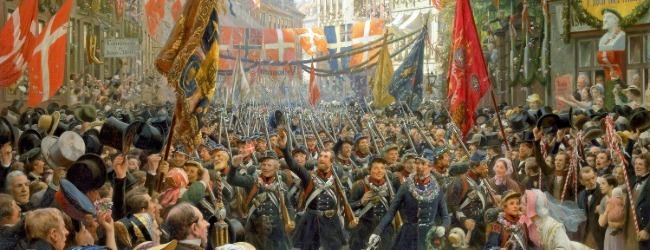
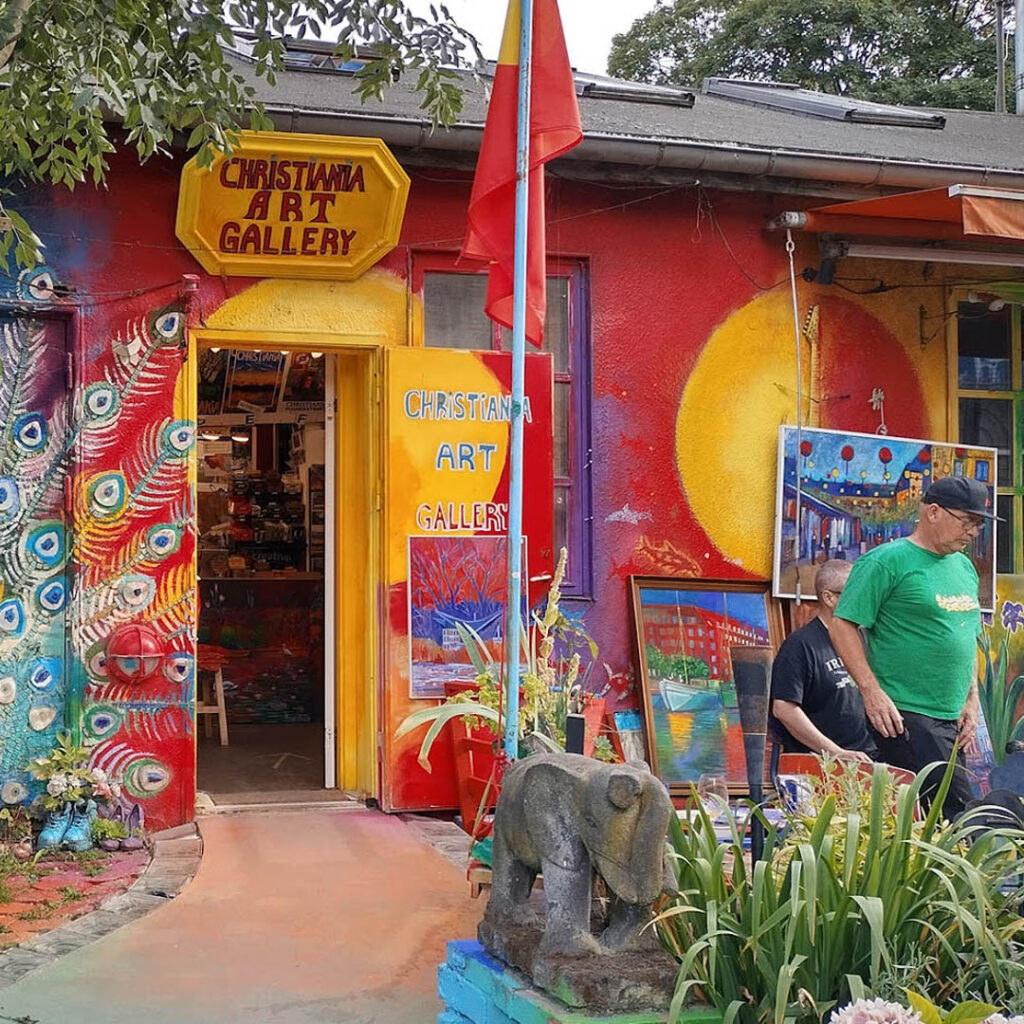
Copenhagen’s journey from a salty fishing wharf to a global beacon of livability is a saga of fire, resilience, and really good urban planning. Copenhagen literally means Merchant Harbour, but long before given its current name, Copenhagen has been inhabited since the ice cape withdrew, at the end of the last ice age. The reasons are simple: High table of ground water, fertile soil for both hunter-gatherers and for farmers, and a number of natural harbours. Until the 11th century, it was just “havn”, a humble fishing port, but in 1167 Bishop Absalon fortified the coast against Baltic pirates, and the name evolved to Køpmannæhafn and later Kjøbenhavn: The Merchants’ Harbour. In 1416, King Eric of Pomerania moved the royal court here, and in 1443 Copenhagen officially became the nation’s capital. The Renaissance arrived with Christian IV, the “Builder King” who gave the city its soul, with (among many other buildings) Børsen, Rosenborg, and the Round Tower. The 1700s tested the city’s spirit with fire, plague, and war, and in 1711 The Black Death claimed a third of the entire population. In 1728 a massive fire razed nearly half the medieval town, and in 1795 another fire destroyed what was left of the old timber buildings. Denmark tried to stay out of the Napoleonic Wars, and refused to hand over the navy to the British. As a result, British rockets leveled the city in a brutal bombardment in 1807. Out of the ashes rose the Danish Golden Age: Hans Christian Andersen dreamt up fairytales in Nyhavn, and Søren Kierkegaard walked these streets, lost in deep thought. Tivoli Gardens opened in 1843, bringing magic to the masses, and in 1850 the city finally demolished its stifling military ramparts, making new neighborhoods bloom: Vesterbro, Nørrebro, and Østerbro. In 1906 the spelling was officially changed to København. Industrialization brought railways, breweries, and modern factories. Denmark was occupied by Nazi Germany in April 1940, and in 1943 the Danish resistance saved 7,000 Jews in a single week, by sailing them to unoccupied Sweden. After the war the “Five Finger Plan” shaped the city’s green growth. After closing down the Bådsmandsstræde Kaserne army base in Christianshavn, Christiania was founded in 1971 as a “free town” experiment. The 1990s saw modern architecture reshape the old waterfront, and in 2000 the Øresund Bridge connected Copenhagen to Malmö, Sweden. In 2002 the first driverless Metro line began its daily operations. Through pandemics and politics, the city remains remarkably resilient. It is a place of “Hygge,” clean design, and democratic spaces. A thousand years of history are carved into these bricks and water, from a Viking harbour to the world’s most livable city. Copenhagen: a capital that proves small can be truly great. Hasse “Hassan” Sørensen
Nature in the city
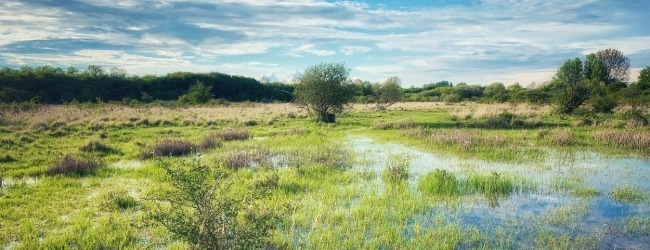
All modern cities have a fair number of parks and green areas, but in Copenhagen even a cemetery can double as a park: Assistenskirkegården (in Nørrebro). Besides beer drinking topless girls on top of graves, you can experience green areas worth a visit – and a picnic – in H.C. Ørstedsparken, Kastellet, Fælledparken, The Botanical Garden, Frederiksberg Have, and many other places. If you prefer to hear gentle waves and see the water while enjoying a sandwich and a can of beer, you can sit by the inner harbor, by the lakes, or by the canals in Christianshavn. In Denmark, the waterfront is always public domain, and no one can stop you from walking the entire stretch along the water. The lakes are not natural. Far from it. They are square, shallow, and serve no practical purpose. Nevertheless, they have become a favorite excursion destination for Copenhageners, for a run, for a first date, for a walk with a stroller and a caffe latte, and for all the serious conversations in life. It’s an amazing place to watch people and birds. If you are craving untamed nature, Amager Fælled is a massive protected wetland and grassland, perfect for a long, quiet walk, only a few minutes from the city centre. You might spot Highland cattle or Exmoor ponies grazing. The “Amarmino” is a 27 km hiking or biking trail that starts here and goes all the way to Dragør. Even the first 5 km feels like a total escape from urban life. Sydhavnstippen is a bit of a hidden gem where you can find wild alpacas and sheep grazing freely among recycled art installations and rugged coastal paths. One of Copenhagen’s claims to fame is the “Five Finger Plan”, which means that the city is connected to the suburbs in five “fingers” that extend towards Helsingør, Hillerød, Frederikssund, Roskilde and Køge, while the space between the fingers is farmland that comes almost all the way to the city. Take the S-train out of one of the “fingers”, get off, and walk to the side, and before you know it you’re looking out over a field or forest. Hasse “Hassan” Sørensen
Our Urban Living Room
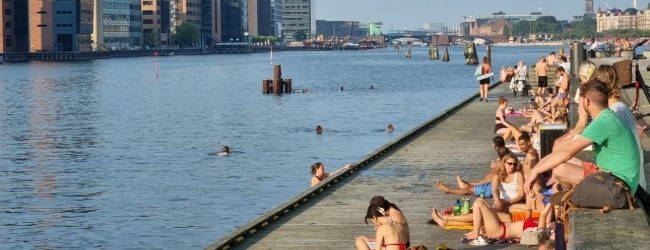
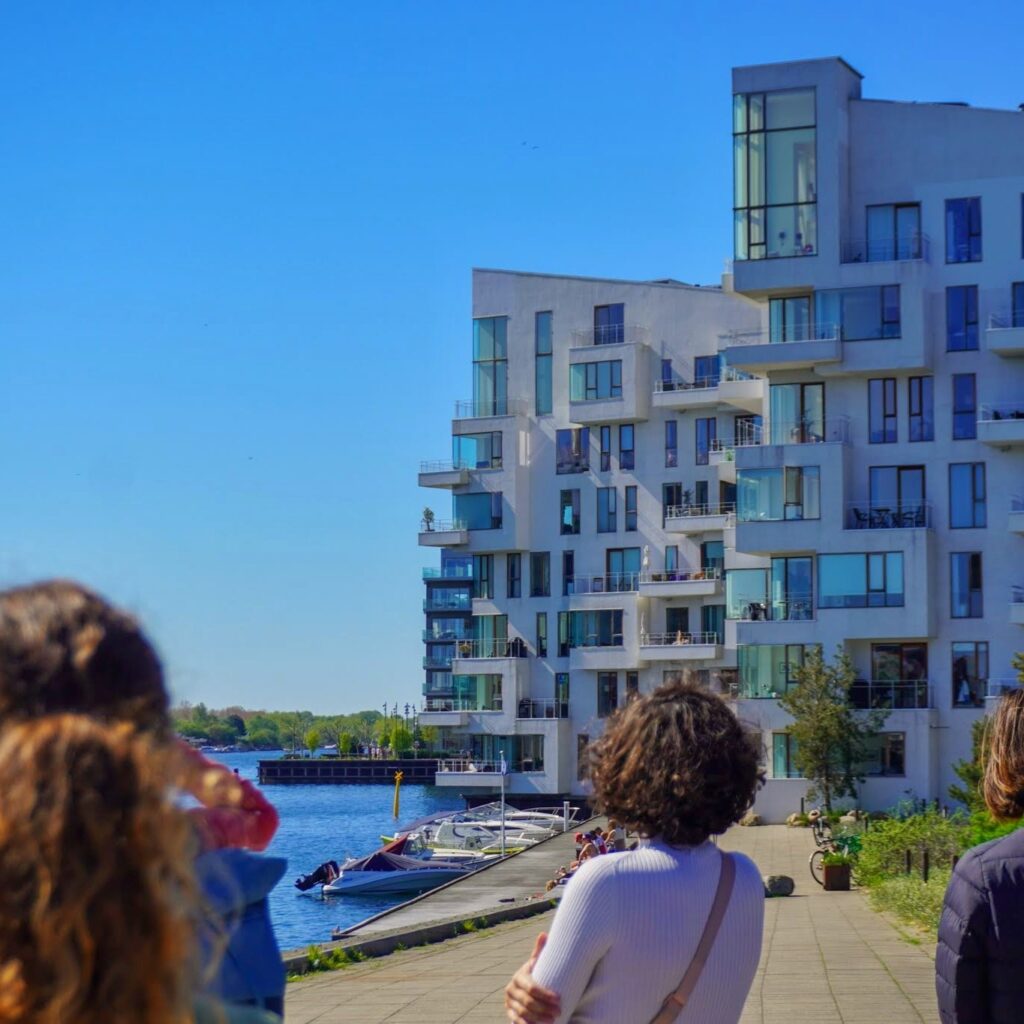
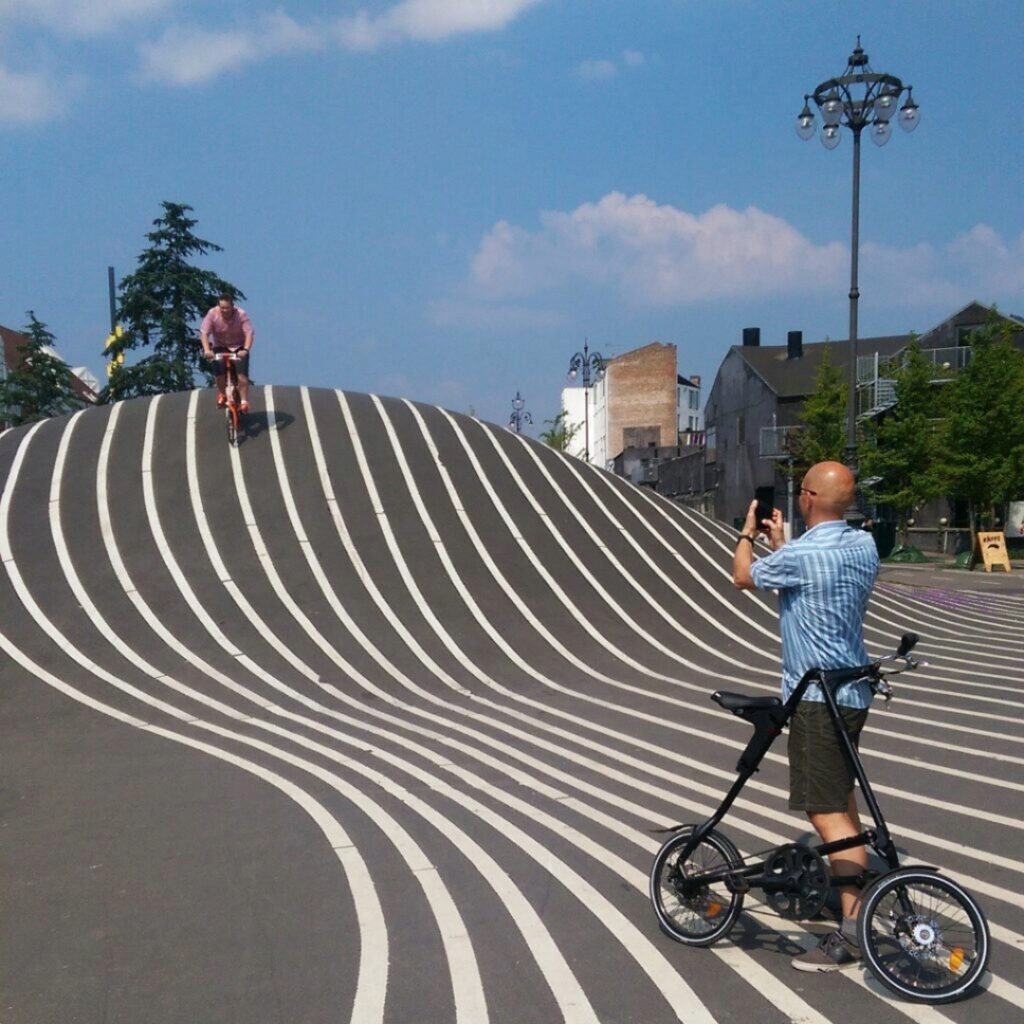
The so-called “Edge Zones” have a historic background, as well as a modern take. In the Viking Age no towns or villages were fortified. Everybody could walk through any settlement, and be wherever we wanted to be. If attacked, we would simply meet the enemy in the fields (and if you study the Danish national football team, you’ll see that we still don’t understand the concept of defence). This idea of boundless universal access was challenged as the city grew dense during the industrialisation, but revived, partly thanks to modern city planners and architects like Jan Gehl, at the turn of the millennium. In Copenhagen you will notice that many buildings have an “Edge Zone”, a space on the plot that is open to the public, inviting and engaging, with benches, outdoor grills, exercise facilities, playgrounds, or simply a place to enjoy brought food and drinks. What characterizes an “Edge Zone” is that it is open 24/7, welcoming and non-commercial. It’s a local architectural term, and in many other places around the world it is simply known as “Copenhagenization”. But in many cases these “Edge Zones” are not on the edge of a building at all, but in the middle of a boulevard (Halmtorvet and Sønder Boulevard), or stretching out over the inner harbour (The Wave). Especially along the inner harbour you will find innumerable places to sit, hang, chill, do some exercise, or enjoy a picnic. The city is our urban living room. We don’t expect – and accept – to be denied access anywhere. This is one of the reasons we can’t – and won’t – criminalise public nudity, alcohol consumption, and lots of other “private” behavior in public spaces. While most power plants around the world will have strict access forbidden, with fences and gates, CopenHill is different: free access to the rooftop, café, running route, and hiking. The elevator is also free to use all the way to the top, where you will obviously find a bar, and the best view of Copenhagen and its suburbs, including Malmö on the other side of the strait. Why walk down when you can ski? The roof is sloped and fitted with a synthetic material that makes it possible to ski all the way down, all year round (and come back up with a ski lift). Once a visitor to the city put it so eloquently: “If you find a closed door, try the handle”. Right next to Torvehallerne and Nørreport Station, you’ll find a large square space named Israels Plads. This square – with places to sit and space to play ball – is in fact the playground for two schools on opposite sites of the square, on weekends it houses flea markets, and lots of people go there to enjoy food from Torvehallerne. Below ground it houses a large car park and an even larger bicycle parking space. The square flows seamlessly into the streets on three sides, and the park (H.C. Ørestedparken) on the fourth, with nothing more than a discrete marking in the ground to show the children where it ends. Cars go cautiously by, as everybody knows a runaway football might cross the street. Outside Hal C – a somewhat uninteresting little sports hall – you’ll find a busy bike lane and a small canal. With a little carpentry, they have transformed the side of the building and the edge of the canal into an “Edge Zone” where you can sit and read a book, or whatever you want. Every Wednesday, during the summer months, the bike path is closed and burgers are served accompanied by a DJ. Somewhere between 500 and 800 people show up to enjoy the experience. Perhaps the most profound sentence about Copenhagen is: “You’re welcome”. Hasse “Hassan” Sørensen
New Nordic Cuisine
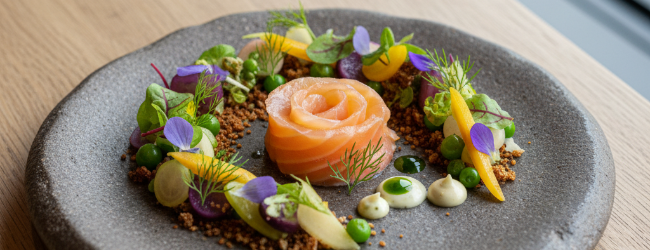
How Copenhagen Redefined Global Gastronomy
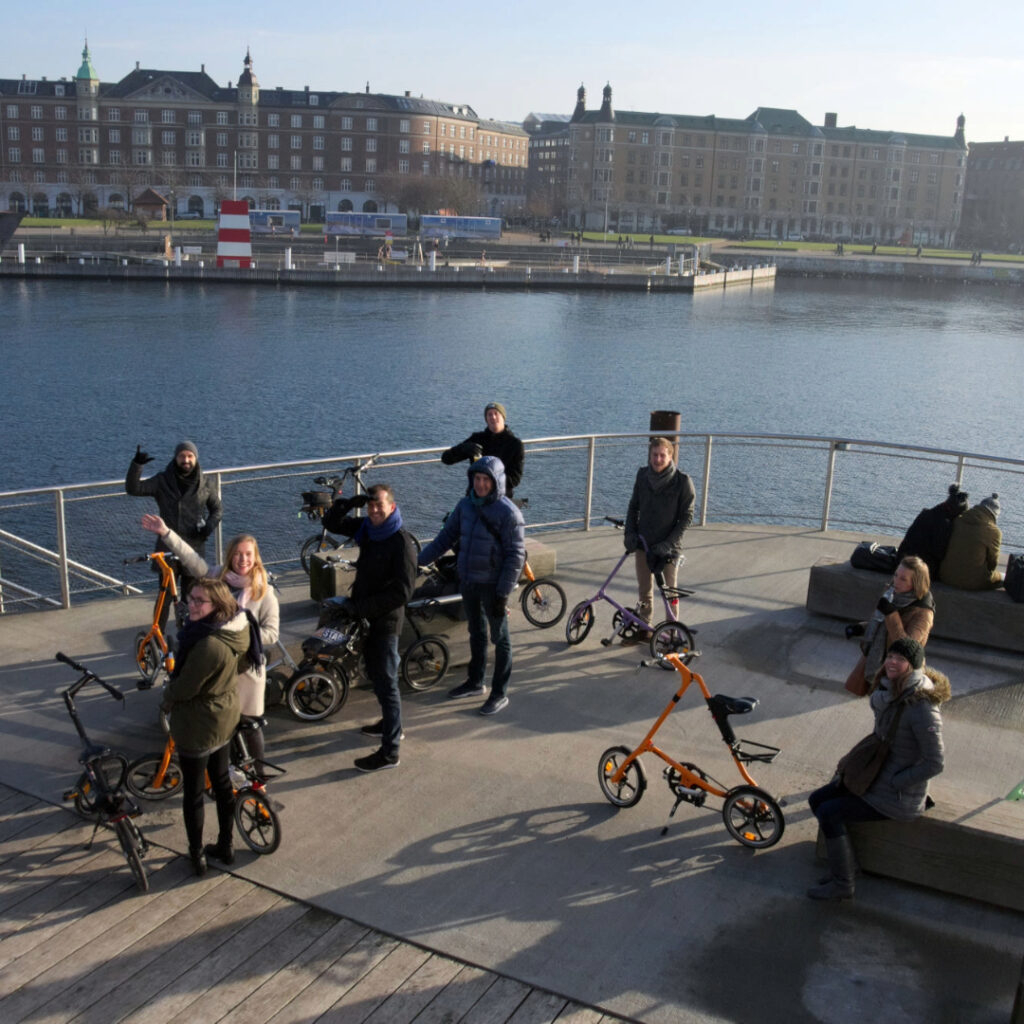
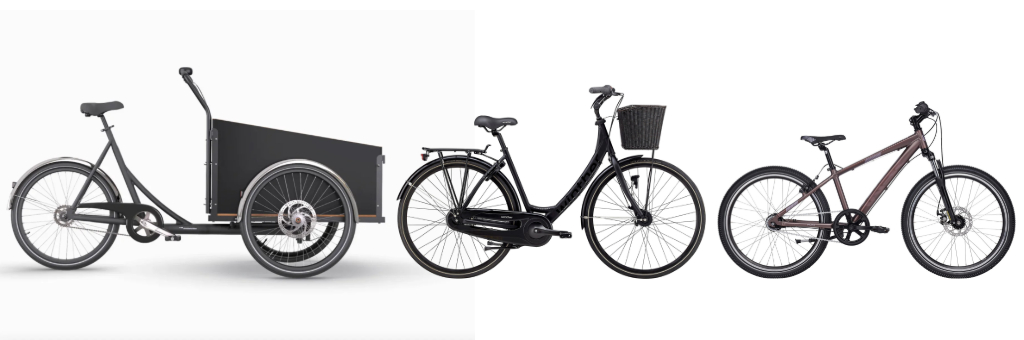
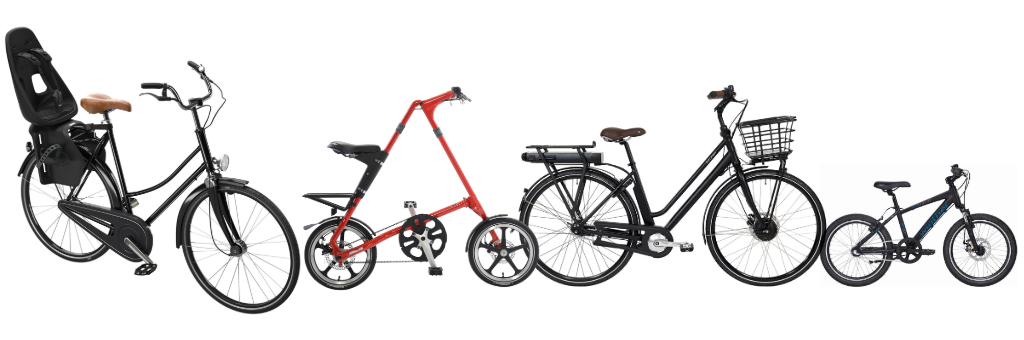
A Cyclist’s Paradise

Copenhagen often conjures images of picturesque canals
Reffen
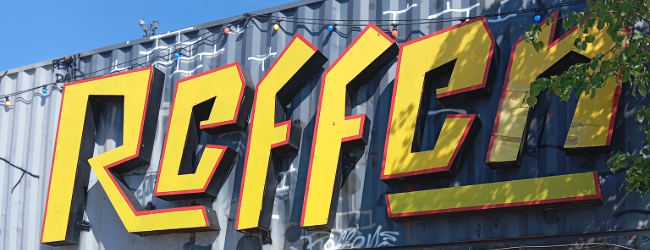
The history of Reffen in Copenhagen is tied to the city’s street food scene and the industrial past of its location. The precursor, Copenhagen Street Food, was pioneered by restaurateur Jesper Møller, who first established a popular street food market called Copenhagen Street Food on Papirøen (Paper Island) in 2014. This market closed in late 2017 due to the temporary nature of its contract, and construction of housing and commercial buildings on the site begun emmediately after. Reffen is located on the artificial island of Refshaleøen (of which “Reffen” is a slang nickname). For over a hundred years, this island was a major industrial site, home to the Burmeister & Wain (B&W) Shipyard, which was one of Europe’s largest until it closed in 1996. After its closure, the area became a neglected industrial wasteland. Reffen (officially Reffen – Copenhagen Street Food) opened its doors in May 2018 on the former shipyard grounds of Refshaleøen. It was created as the successor to the Papirøen market. Reffen was designed to be much more than just a food market. It is Northern Europe’s largest street food market and an urban area for start-ups, innovation, and creative workshops, embracing a “Reduce and Reuse” philosophy. The stalls are often housed in repurposed shipping containers and the design is deliberately industrial, yet very colourful. It aims to provide a platform for new culinary entrepreneurs. Reffen operates seasonally (typically from spring through autumn) and is a vibrant cultural hotspot offering a diverse array of global street food, bars, cultural events, and art installations, contributing significantly to the revitalization of the Refshaleøen area. The future of Reffen is closely tied to the long-term urban development plans for its location, Refshaleøen, which is one of the last large industrial areas in Copenhagen to be transformed. The island of Refshaleøen, where Reffen is located, is owned by a property company and is slated for significant, large-scale urban development. This is a common pattern in Copenhagen where former industrial harbor areas are converted into new mixed-use neighborhoods, primarily for housing. This development plan, announced in early 2023, poses a risk to the current, temporary, and unpolished “klondike” aesthetic and creative culture that Reffen and its neighbors (like music venues and art centers) represent. The concern is that this could lead to the classic gentrification pattern seen elsewhere in the city, replacing creative, affordable spaces with generic, high-end housing. While Reffen is a successful, established venture, its ultimate fate rests on the final master plan for the island. The developers are aware of the importance of the existing cultural hubs like Reffen, but their long-term position is not permanently secured against future construction. In the short to medium term, Reffen is working to solidify its presence and enhance its appeal. Recent efforts include extending its operational season deeper into autumn and winter (often to include a Christmas market and an ice skating rink, Skøjteøen) to become a year-round destination rather than just a summer market. Reffen continues to strengthen its role as an entrepreneurial platform, not just for food stalls but also for creative workshops and cultural events, making it a more integral and high-value part of the city’s cultural life. Its founding principles of “Reduce and Reuse” and its commitment to sustainable practices (using recycled materials, compostable packaging) align with Copenhagen’s future-forward image, which may help bolster its case for preservation in the face of development. Reffen is currently thriving as Northern Europe’s largest street food market and a vital cultural center. Its immediate future is stable, marked by seasonal openings and a push toward year-round operation. However, its long-term future is uncertain and dependent on how the owners and city planners choose to execute the major urban transformation of Refshaleøen. The key question is whether Reffen can survive as an affordable, creative, and “raw” destination within a newly developed, highly polished urban district. Right now the plot is affordable due to its inaccesability, as the trip from central Copenhagen to Reffen, regardless of choice of transportation, will take about 35 minutes. As the new artificial island Lynetteholmen takes shape there are plans for a new Metro line, and debates about a bridge across the inner habour, making Refshaleøen very accesible, and the value (meaning price) of the land skyrocket. Hasse “Hassan” Sørensen
Cactus Towers
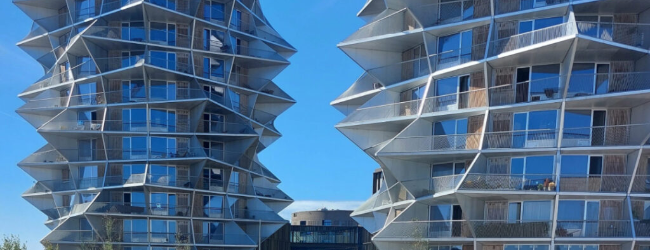
Copenhagen’s skyline is a blend of historic spires and modern, sustainable architecture, but few recent additions are as instantly recognizable — or as debated — as the two towers near Dybbølsbro: the Cactus Towers (Kaktustårnene). These spiky structures, whose facades bristle with angular balconies, represent more than just modern aesthetics; they are a striking answer to the city’s urgent need for affordable, high-density housing. The Vision of BIG and the Prickly Design The genesis of the Kaktus Towers lies with the renowned Danish architectural firm, BIG (Bjarke Ingels Group). In 2017, BIG unveiled the ambitious design as part of a larger urban redevelopment effort in the Kalvebod Brygge area. The towers earn their botanical name from their unmistakable exterior. Rather than a typical rectilinear high-rise, the design is structured around a central, hexagonal core. Each floor plate is slightly rotated, or “twisted,” and cantilevered out, creating a cascade of sharp, angular balconies that spiral up the building. This architectural choice gives the structure its unforgettable, prickly silhouette, a clear visual reference to a cactus. The final construction resulted in two twin towers, one rising to approximately 80 meters and the other to 60 meters, collectively providing a significant number of new homes on a compact footprint. An Innovative Answer to Urban Living Beyond the dramatic exterior, the Kaktus Towers were engineered to solve a critical contemporary urban challenge: how to house nearly 500 young people and single residents affordably in the expensive city center. The project embraces a micro-apartment or “co-living” model, where individual units are kept small—typically ranging from 33 to 53 square meters—to maximize density and keep rental costs manageable. This approach is summarized by the philosophy: “Sleep in the apartment – live in the building.” The design compensates for the small private spaces by prioritizing massive shared facilities. Residents gain access to expansive communal lounges, shared kitchens, party rooms, and indoor and outdoor fitness areas that encourage social interaction and foster a strong sense of community. The two towers are even physically linked at their base by an elevated, sloped public park and commercial plaza, creating a functional, green hub for both residents and the surrounding neighborhood. Completion and a Mixed Legacy The Kaktus Towers began construction around 2019 and were structurally completed, welcoming their first residents, around mid-2022. The remaining communal facilities and the public park were finalized over the next couple of years. Like many of BIG’s provocative buildings, the Kaktus Towers sparked public debate, with some critics questioning the angular aesthetics and the small living spaces. However, the project has also earned significant international recognition. It has received prestigious accolades, including being named a winner in the category of Europe’s Best Tall Building by the Council on Tall Buildings and Urban Habitat, celebrating its innovative blend of economical construction and striking design. The towers stand today as a bold, contemporary statement, demonstrating a clever architectural solution to urban density. Hasse “Hassan” Sørensen


 Cette visite peut être effectuée en tant que visite privée en français.
 Este tour se puede realizar como tour privado en español.
 Questo tour può essere effettuato come tour privato in italiano.
 Som privat tur kan denne tur også gennemføres på dansk
 Som en privat rundtur kan denna tur även genomföras på svenska