The history of Reffen in Copenhagen is tied to the city’s street food scene and the industrial past of its location.
The precursor, Copenhagen Street Food, was pioneered by restaurateur Jesper Møller, who first established a popular street food market called Copenhagen Street Food on Papirøen (Paper Island) in 2014. This market closed in late 2017 due to the temporary nature of its contract, and construction of housing and commercial buildings on the site begun emmediately after.
Reffen is located on the artificial island of Refshaleøen (of which “Reffen” is a slang nickname). For over a hundred years, this island was a major industrial site, home to the Burmeister & Wain (B&W) Shipyard, which was one of Europe’s largest until it closed in 1996. After its closure, the area became a neglected industrial wasteland.
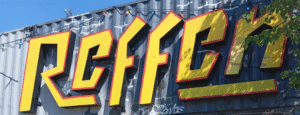
Reffen (officially Reffen – Copenhagen Street Food) opened its doors in May 2018 on the former shipyard grounds of Refshaleøen. It was created as the successor to the Papirøen market.
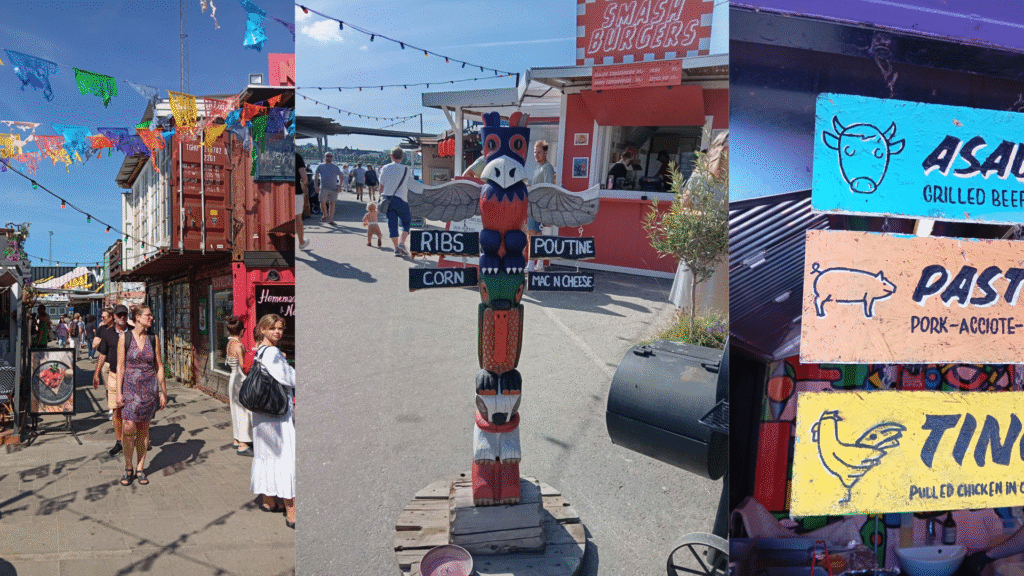
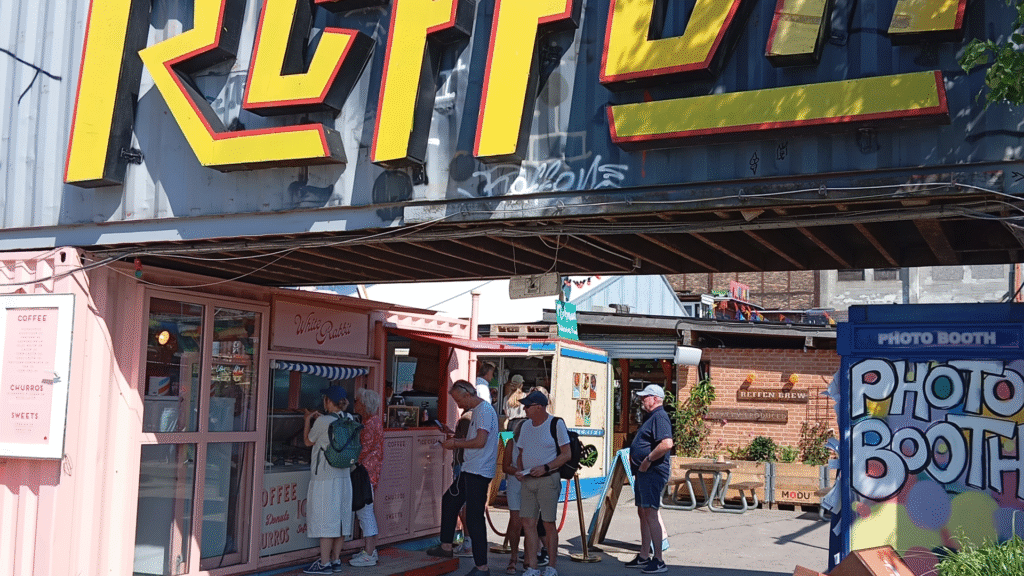
Reffen was designed to be much more than just a food market. It is Northern Europe’s largest street food market and an urban area for start-ups, innovation, and creative workshops, embracing a “Reduce and Reuse” philosophy. The stalls are often housed in repurposed shipping containers and the design is deliberately industrial, yet very colourful. It aims to provide a platform for new culinary entrepreneurs.
Reffen operates seasonally (typically from spring through autumn) and is a vibrant cultural hotspot offering a diverse array of global street food, bars, cultural events, and art installations, contributing significantly to the revitalization of the Refshaleøen area.
The future of Reffen is closely tied to the long-term urban development plans for its location, Refshaleøen, which is one of the last large industrial areas in Copenhagen to be transformed.
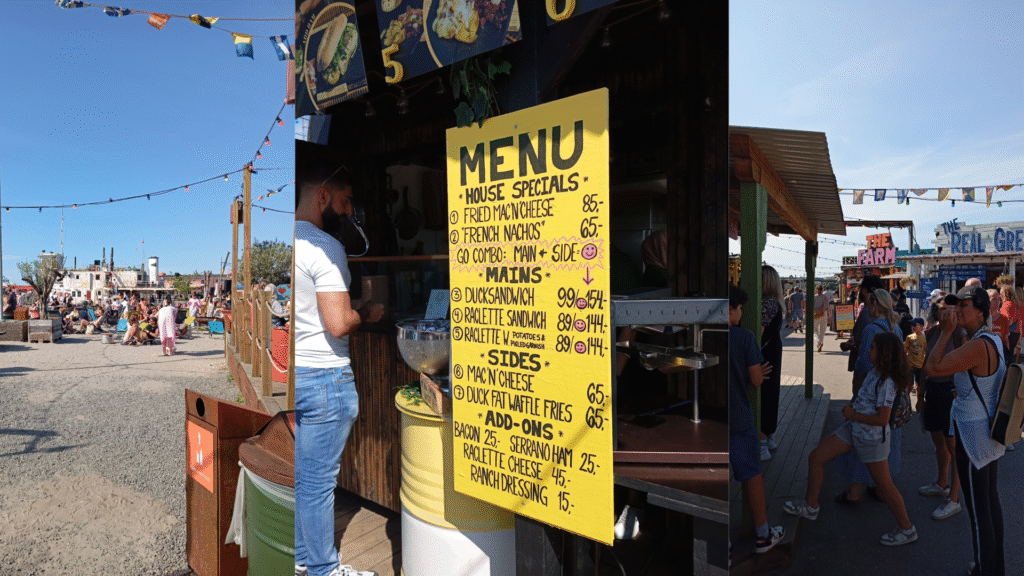
The island of Refshaleøen, where Reffen is located, is owned by a property company and is slated for significant, large-scale urban development. This is a common pattern in Copenhagen where former industrial harbor areas are converted into new mixed-use neighborhoods, primarily for housing.
This development plan, announced in early 2023, poses a risk to the current, temporary, and unpolished “klondike” aesthetic and creative culture that Reffen and its neighbors (like music venues and art centers) represent. The concern is that this could lead to the classic gentrification pattern seen elsewhere in the city, replacing creative, affordable spaces with generic, high-end housing.
While Reffen is a successful, established venture, its ultimate fate rests on the final master plan for the island. The developers are aware of the importance of the existing cultural hubs like Reffen, but their long-term position is not permanently secured against future construction.
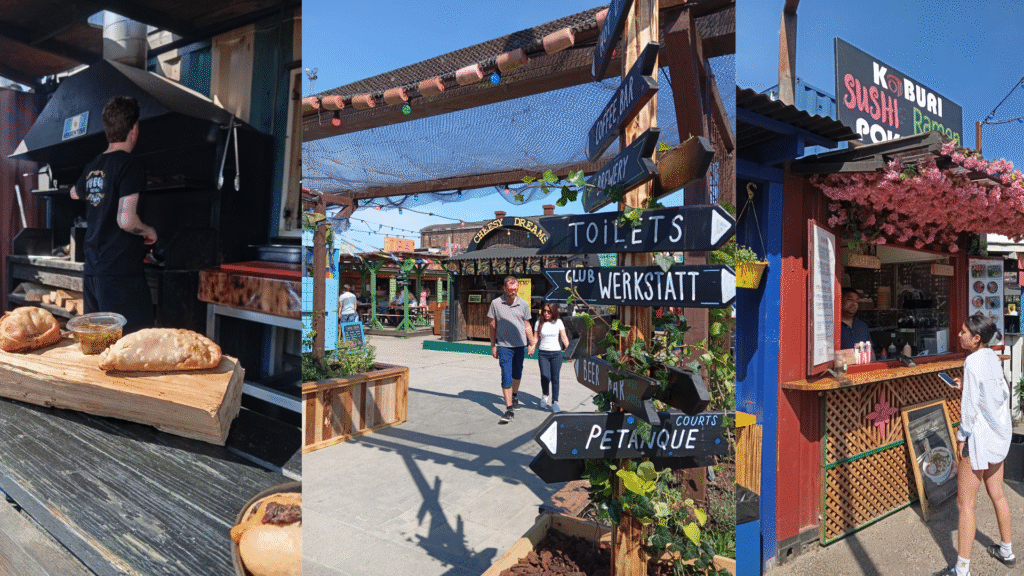
In the short to medium term, Reffen is working to solidify its presence and enhance its appeal. Recent efforts include extending its operational season deeper into autumn and winter (often to include a Christmas market and an ice skating rink, Skøjteøen) to become a year-round destination rather than just a summer market.
Reffen continues to strengthen its role as an entrepreneurial platform, not just for food stalls but also for creative workshops and cultural events, making it a more integral and high-value part of the city’s cultural life.
Its founding principles of “Reduce and Reuse” and its commitment to sustainable practices (using recycled materials, compostable packaging) align with Copenhagen’s future-forward image, which may help bolster its case for preservation in the face of development.
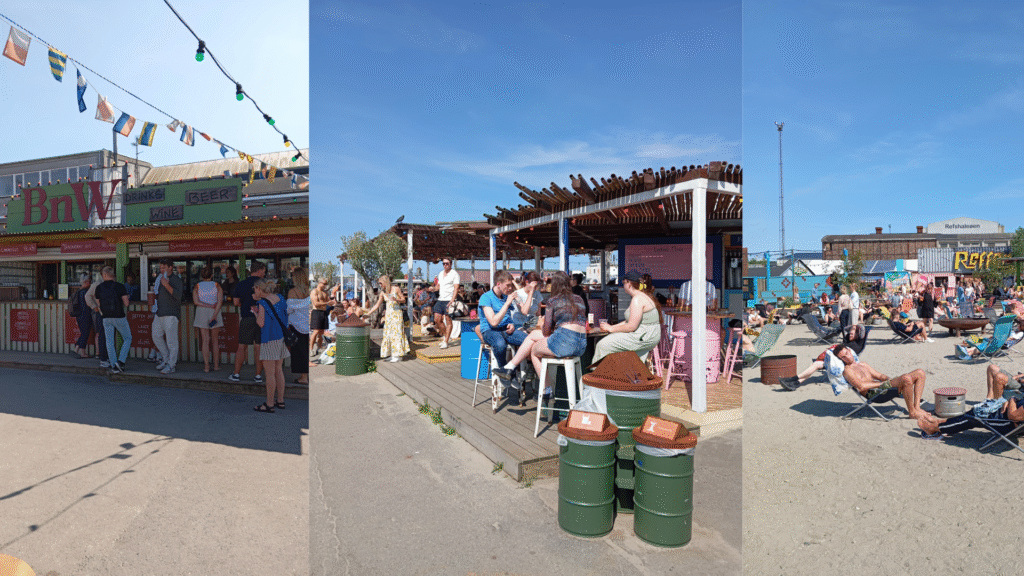
Reffen is currently thriving as Northern Europe’s largest street food market and a vital cultural center. Its immediate future is stable, marked by seasonal openings and a push toward year-round operation.
However, its long-term future is uncertain and dependent on how the owners and city planners choose to execute the major urban transformation of Refshaleøen. The key question is whether Reffen can survive as an affordable, creative, and “raw” destination within a newly developed, highly polished urban district.
Right now the plot is affordable due to its inaccesability, as the trip from central Copenhagen to Reffen, regardless of choice of transportation, will take about 35 minutes. As the new artificial island Lynetteholmen takes shape there are plans for a new Metro line, and debates about a bridge across the inner habour, making Refshaleøen very accesible, and the value (meaning price) of the land skyrocket.
Hasse “Hassan” Sørensen