Copenhagen’s journey from a salty fishing wharf to a global beacon of livability is a saga of fire, resilience, and really good urban planning.
Copenhagen literally means Merchant Harbour, but long before given its current name, Copenhagen has been inhabited since the ice cape withdrew, at the end of the last ice age.
The reasons are simple: High table of ground water, fertile soil for both hunter-gatherers and for farmers, and a number of natural harbours.
Until the 11th century, it was just “havn”, a humble fishing port, but in 1167 Bishop Absalon fortified the coast against Baltic pirates, and the name evolved to Køpmannæhafn and later Kjøbenhavn: The Merchants’ Harbour.
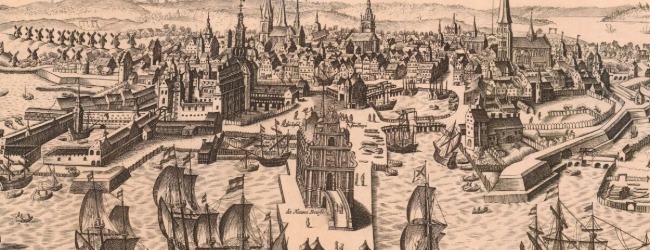
In 1416, King Eric of Pomerania moved the royal court here, and in 1443 Copenhagen officially became the nation’s capital.
The Renaissance arrived with Christian IV, the “Builder King” who gave the city its soul, with (among many other buildings) Børsen, Rosenborg, and the Round Tower.
The 1700s tested the city’s spirit with fire, plague, and war, and in 1711 The Black Death claimed a third of the entire population.
In 1728 a massive fire razed nearly half the medieval town, and in 1795 another fire destroyed what was left of the old timber buildings.
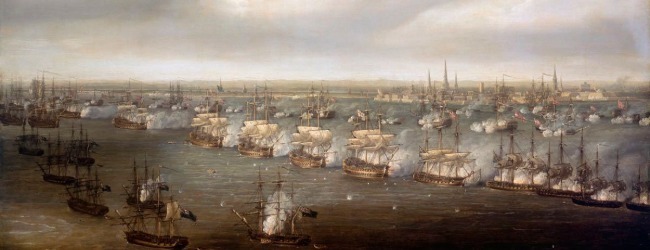
Denmark tried to stay out of the Napoleonic Wars, and refused to hand over the navy to the British. As a result, British rockets leveled the city in a brutal bombardment in 1807.
Out of the ashes rose the Danish Golden Age: Hans Christian Andersen dreamt up fairytales in Nyhavn, and Søren Kierkegaard walked these streets, lost in deep thought.
Tivoli Gardens opened in 1843, bringing magic to the masses, and in 1850 the city finally demolished its stifling military ramparts, making new neighborhoods bloom: Vesterbro, Nørrebro, and Østerbro.
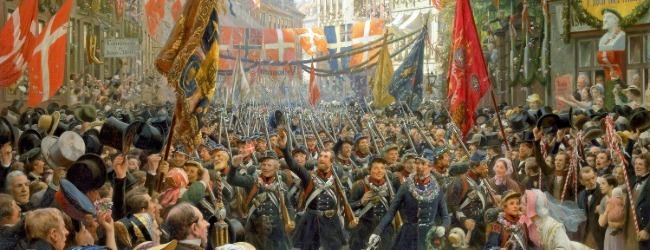
In 1906 the spelling was officially changed to København.
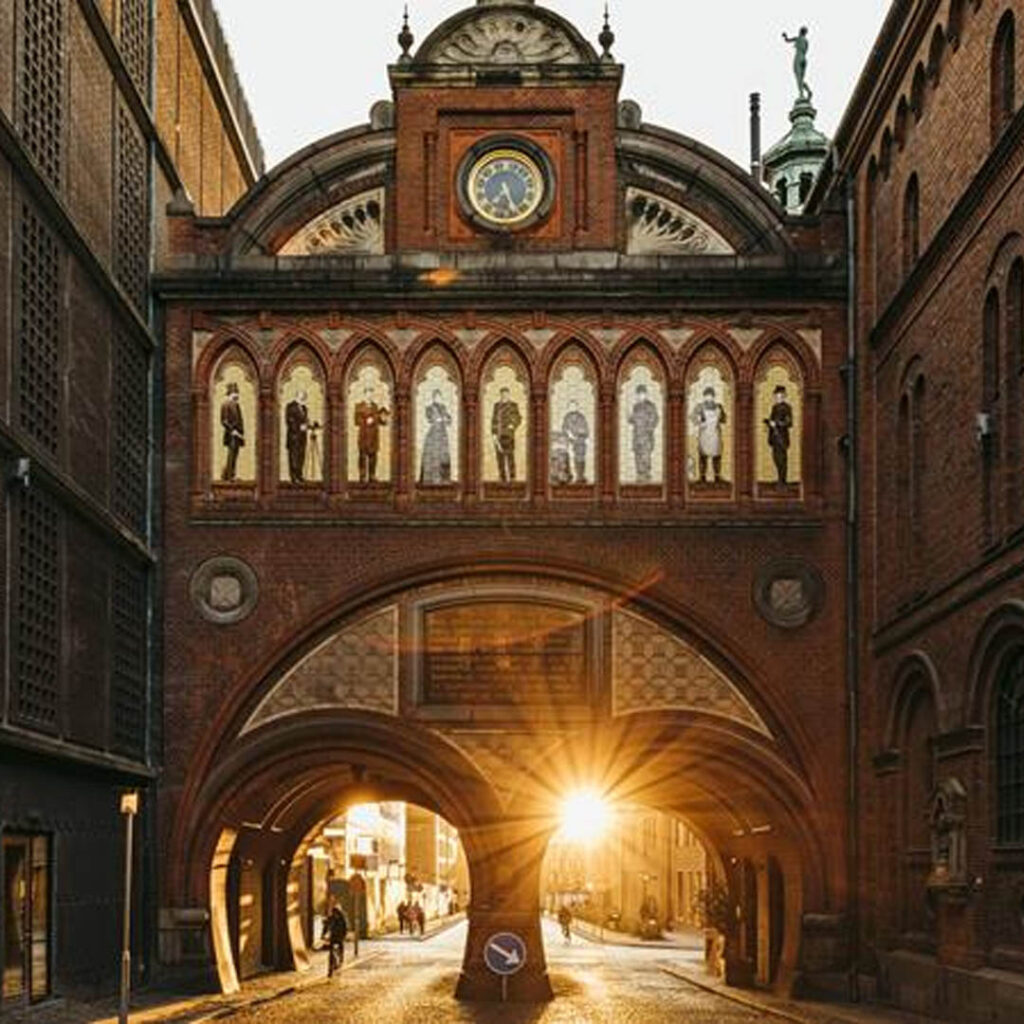
Industrialization brought railways, breweries, and modern factories.
Denmark was occupied by Nazi Germany in April 1940, and in 1943 the Danish resistance saved 7,000 Jews in a single week, by sailing them to unoccupied Sweden.
After the war the “Five Finger Plan” shaped the city’s green growth.
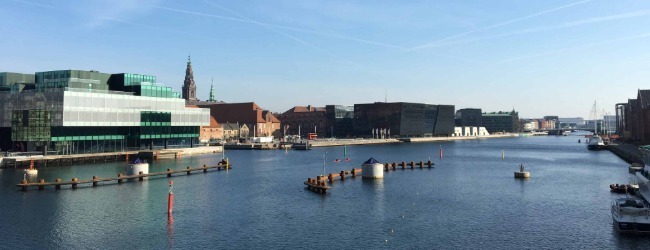
After closing down the Bådsmandsstræde Kaserne army base in Christianshavn, Christiania was founded in 1971 as a “free town” experiment.
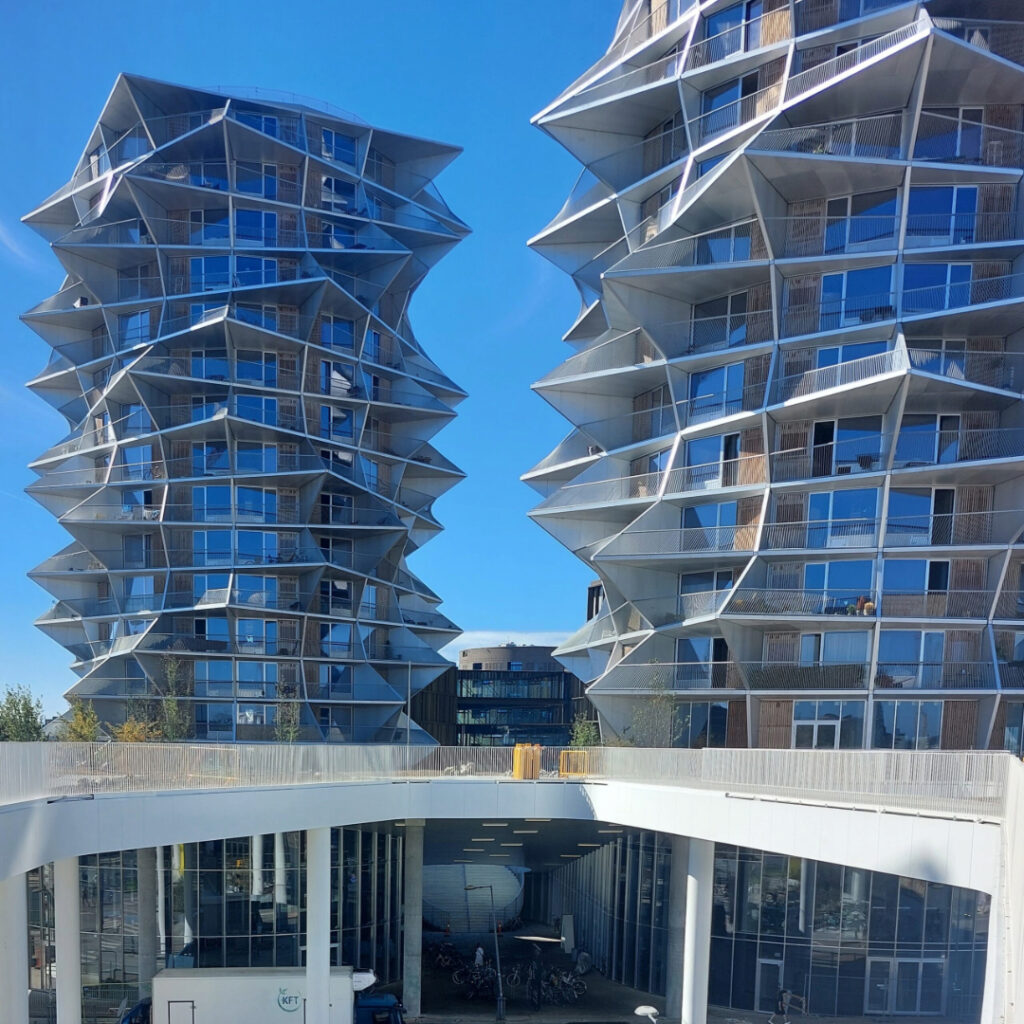
The 1990s saw modern architecture reshape the old waterfront, and in 2000 the Øresund Bridge connected Copenhagen to Malmö, Sweden.
In 2002 the first driverless Metro line began its daily operations.
Through pandemics and politics, the city remains remarkably resilient.
It is a place of “Hygge,” clean design, and democratic spaces.
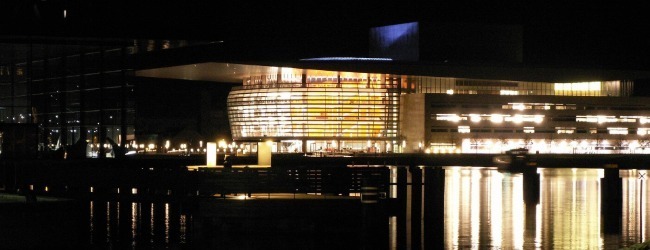
A thousand years of history are carved into these bricks and water, from a Viking harbour to the world’s most livable city.
Copenhagen: a capital that proves small can be truly great.
Hasse “Hassan” Sørensen