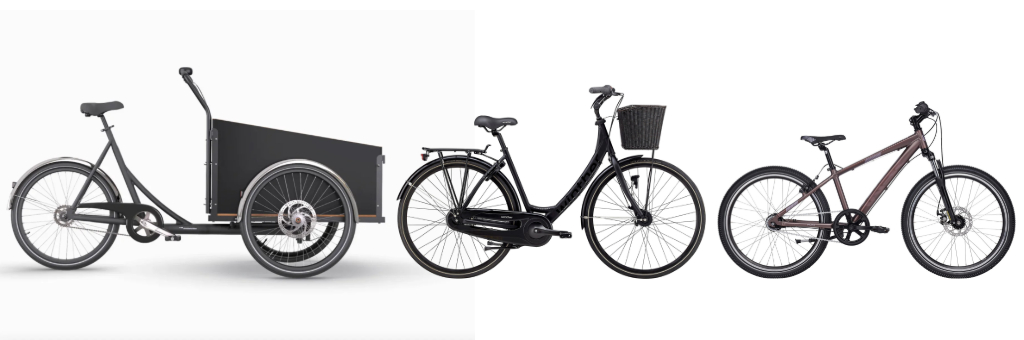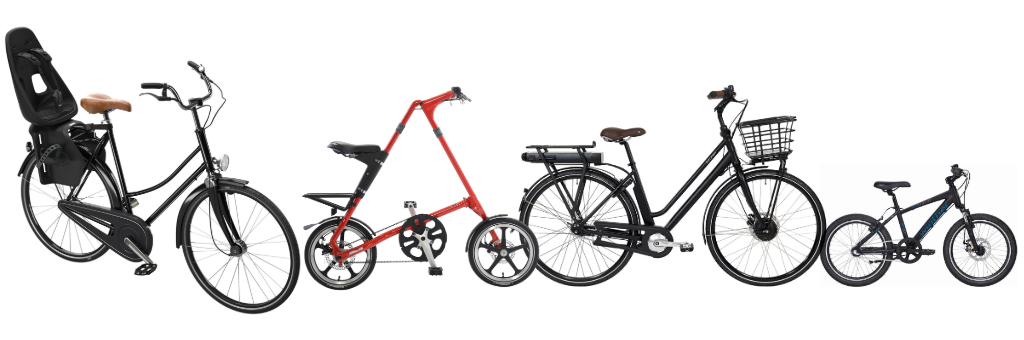
Copenhagen. The very name often conjures images of picturesque canals, colourful houses and design shops. But for anyone who’s truly experienced the Danish capital, one image stands out above all else: bicycles. Everywhere.
It’s not just a mode of transport in Copenhagen; it’s the very pulse of the city, a deeply ingrained cultural phenomenon, and a testament to decades of visionary urban planning. If you want to understand what makes Copenhagen tick, you need to understand its unparalleled bike culture and the infrastructure that supports it.
A City Built for Two Wheels
Imagine a city where cycling isn’t just an option, but often the fastest and most convenient way to get around. That’s Copenhagen. Over half of all Copenhageners commute to work or school by bike daily. That’s not just a statistic; it’s a living, breathing reality you witness every moment you’re here.
The reasons for this widespread adoption are clear:
- Safety First: Copenhagen’s cycling infrastructure is designed with safety as its paramount concern. Dedicated, often curb-separated, bike lanes are the norm, not the exception. These aren’t painted lines on the road; they’re substantial, well-maintained thoroughfares for cyclists, protecting them from car traffic.
- Cycle Superhighways: Taking things a step further, Copenhagen boasts “Cycle Superhighways.” These aren’t just wide bike lanes; they’re routes specifically designed for longer-distance commuters, featuring smooth surfaces, fewer stops, and often amenities like air pumps and clearer signage. They connect the city center with surrounding municipalities, making suburban cycling a breeze.
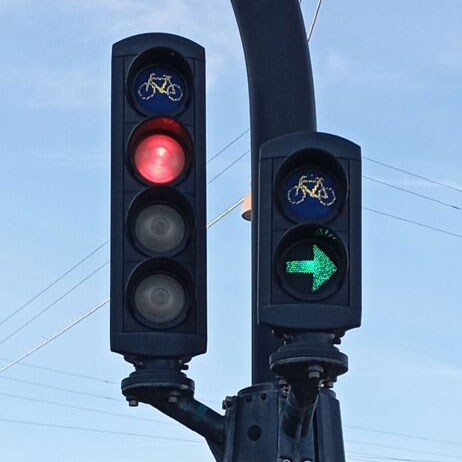
- Smart Traffic Management: Bike traffic lights are synchronized to favor cyclists, and at many intersections, cyclists get a head start, moving forward before car traffic. This prevents conflicts and keeps the flow smooth.
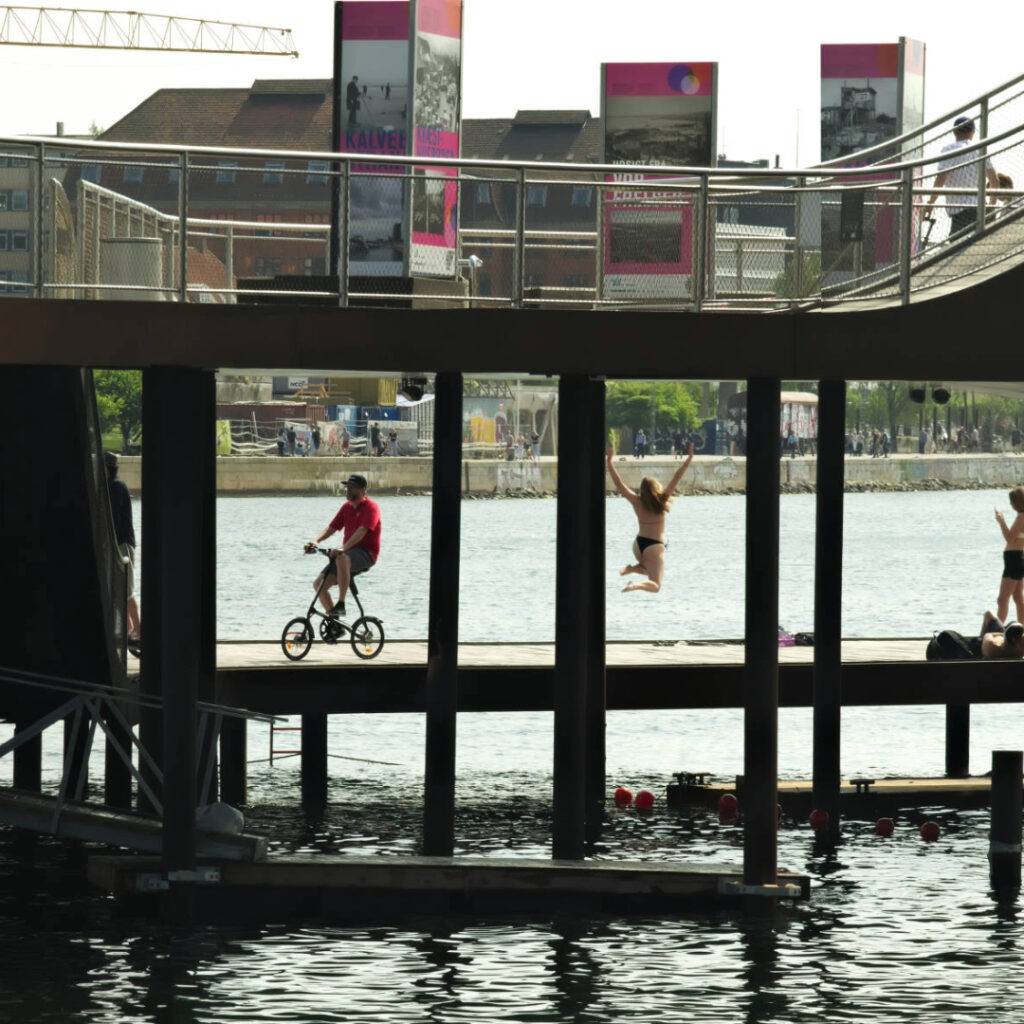
- Bicycle Bridges: To overcome natural barriers like the harbor, Copenhagen has invested in stunning architectural marvels that double as dedicated bicycle and pedestrian bridges. The Circle Bridge (Cirkelbroen) and the Kissing Bridge (Inderhavnsbroen) are prime examples, not only facilitating movement but also adding beauty to the urban landscape.
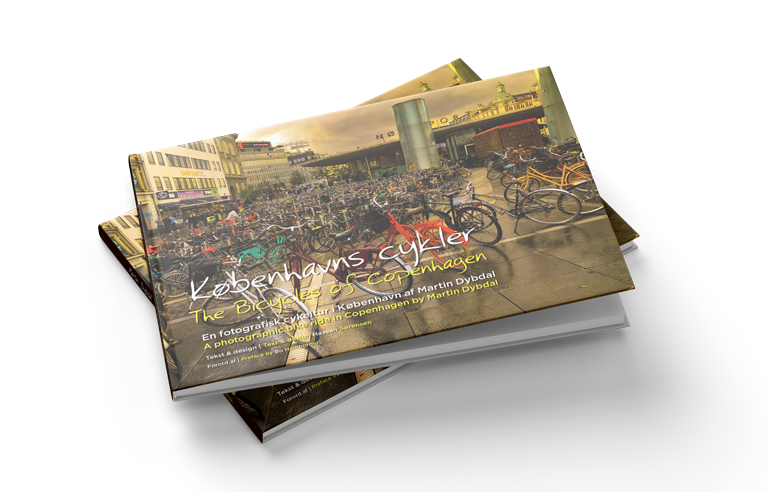
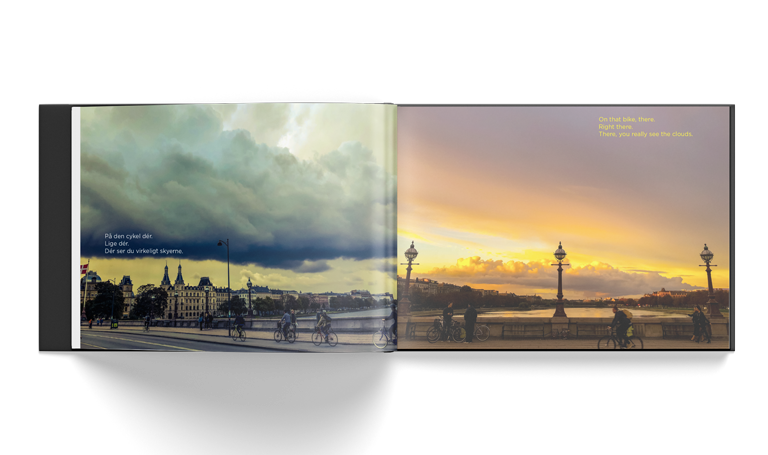
Countless books have been published about bicycles in Copenhagen, including “The Bicycles of Copenhagen” by photographer Martin Dybdal.
Hasse “Hassan” Sørensen